.png)
Understanding Vitiligo: Causes, Symptoms & Gentle Care for Healthier Skin
What Is Vitiligo?
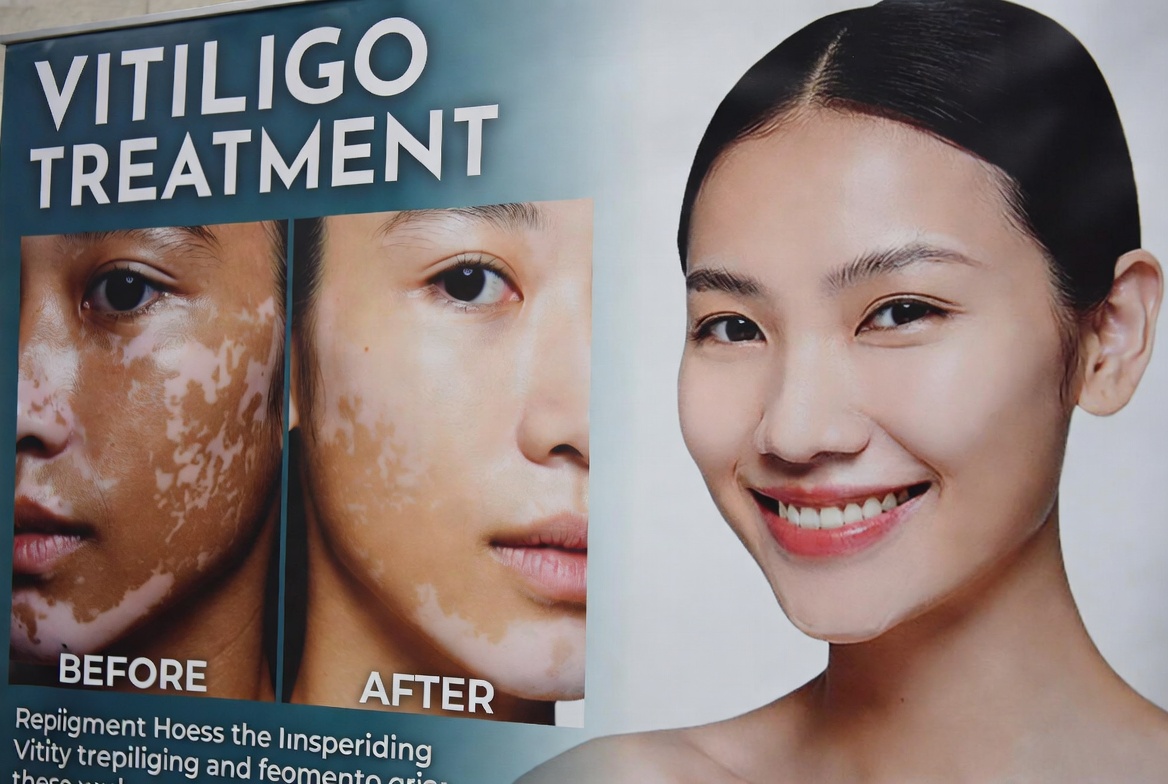
Vitiligo is a chronic skin condition that causes patches of skin to lose their natural pigment. This happens when melanocytes — the cells responsible for producing melanin — stop functioning or are destroyed. As a result, white or lighter patches appear on different parts of the body.
Vitiligo can affect people of all skin types and ages. While it is not contagious or life-threatening, it may affect emotional well-being and self-confidence, especially when visible areas such as the face, hands, or neck are involved.

Common Symptoms of Vitiligo
People with vitiligo may experience:
• White or pale patches on the skin
• Uneven skin tone
• Premature whitening of hair or eyebrows
• Increased skin sensitivity
• Dry or irritated skin around affected areas
The condition may develop gradually or appear suddenly. Some individuals only have small patches, while others may experience more widespread depigmentation.
What Causes Vitiligo?
The exact cause of vitiligo is not fully understood, but several factors may contribute:
Autoimmune Response
The immune system may mistakenly attack melanocytes, leading to pigment loss.
Genetics
Vitiligo sometimes runs in families, suggesting a hereditary component.
Stress & Environmental Triggers
Physical or emotional stress, sunburn, or skin trauma may trigger or worsen symptoms.
Skin Barrier Damage
Sensitive or compromised skin may become more prone to irritation and inflammation.
Gentle Skincare for Vitiligo-Prone Skin
Healthy skincare habits can help protect sensitive skin and support overall skin comfort.
1. Cleanse Gently
Use mild, fragrance-free cleansers that do not strip the skin barrier.
2. Hydrate & Repair
Moisturizers containing ceramides, panthenol, and centella asiatica may help soothe dryness and irritation.
3. Protect from Sun Exposure
Daily sunscreen is essential to reduce UV damage and minimize contrast between affected and unaffected skin.
4. Support Repigmentation
Certain skincare ingredients may help support skin recovery and maintain a healthier appearance over time.
Recommended soothing ingredients include:
• Centella Asiatica
• Niacinamide
• Ceramides
• Green Tea Extract
• Panthenol
• Licorice Extract
Available Treatment Options
Treatment varies depending on the severity and progression of vitiligo. Common approaches may include:
• Topical medications
• Light therapy (phototherapy)
• Skin barrier repair treatments
• Medical skincare support
• Personalized dermatology consultation
Early care and professional guidance can help improve skin condition management and confidence.
When Should You Seek Professional Help?
You should consider consulting a skin specialist if:
• White patches continue spreading
• Skin becomes irritated or inflamed
• You experience emotional distress related to appearance
• Over-the-counter products are ineffective
A professional evaluation can help determine the best treatment approach for your skin condition.
Restore Comfort & Confidence
Living with vitiligo can be challenging, but gentle care and the right treatment plan may help improve skin appearance and overall comfort. Consistent skincare, sun protection, and professional support are important steps toward healthier-looking skin.
.png)